
Consistency matters in aerospace as ASG Aerospace marks World Standards Day
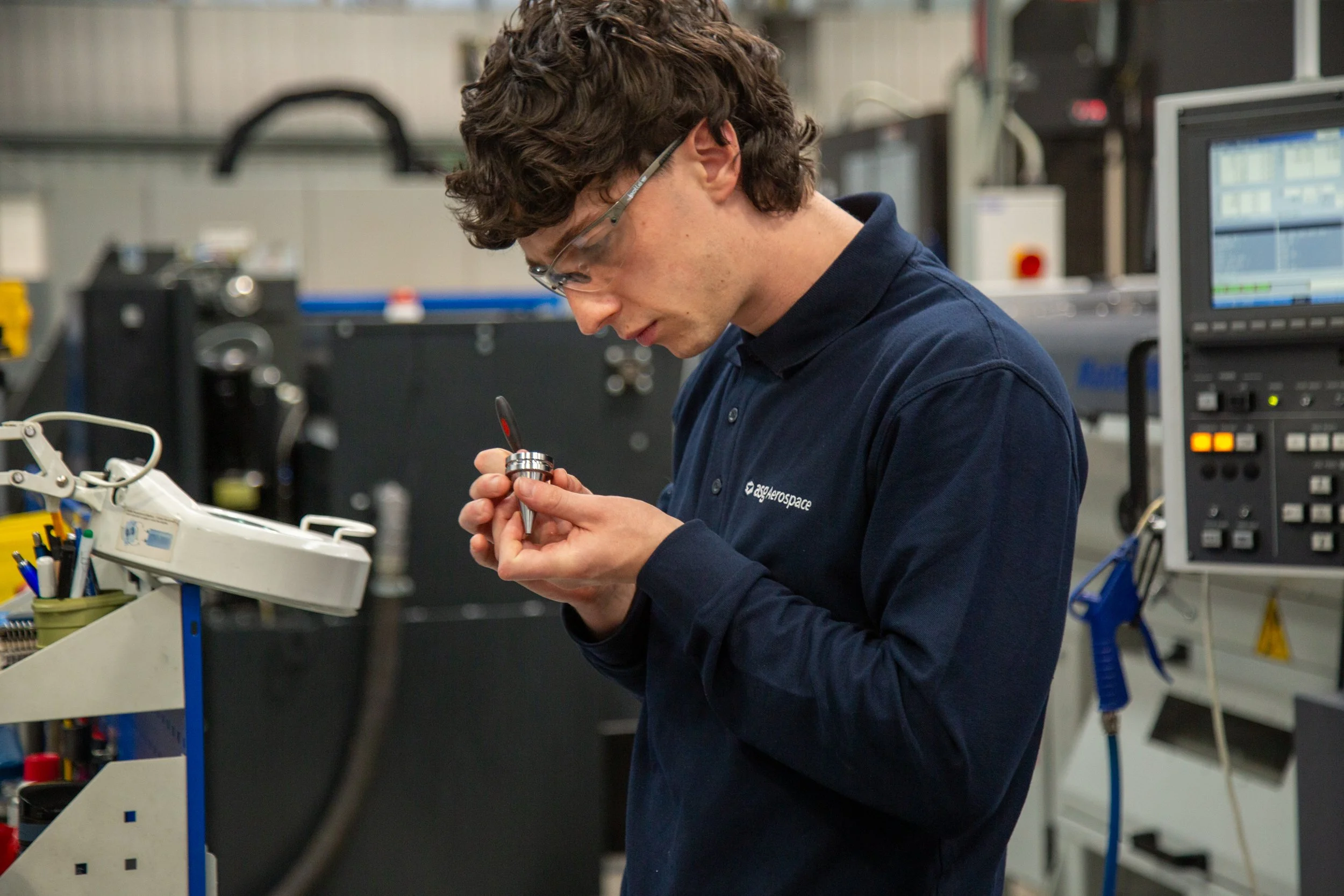
ASG Aerospace is marking World Standards Day on 14 October by highlighting the role that internationally recognised standards play in creating consistency across a global aerospace supply chain.
It is a subject with history for the Group. ASG Produmax was the first company in the UK assessed by BSI, to achieve certification to AS9100 Revision D, the aerospace quality management standard published in September 2016, specifically for aviation, space, and defence organisations. Today, ASG businesses across seven sites in the UK and Germany hold more than 65 customer and industry approvals.
World Standards Day is led by the International Electrotechnical Commission (IEC), the International Organization for Standardization (ISO), and the International Telecommunication Union (ITU), recognising the work of experts around the world who develop international standards.
For aerospace manufacturers, those standards form part of the infrastructure behind everyday production. Components can pass through several companies, manufacturing processes, and countries before reaching final assembly. Drawings, materials, processes, inspection records, and approvals must remain controlled throughout that journey, giving customers confidence that the same requirements have been applied at every stage.
"Standards give everyone involved in a programme a common framework," said Gareth Richards, Group Director of Operations at ASG Aerospace. "A drawing can move between organisations, and a component can go through several manufacturing and special processes, but the requirements around quality, control and traceability travel with it."
ASG Aerospace operates quality management systems across its manufacturing sites, built on internationally recognised standards including AS9100 and AS13100. These are supported by Nadcap, SC21 and Cyber Essentials Plus accreditation, along with customer-specific approvals from major aerospace manufacturers.
Richards said the value of a quality system is ultimately found in its application on the factory floor.
"Certification matters because it provides independent assurance, but the real value comes from what sits behind it," he said. "It is the way a new job is introduced, how revisions are controlled, how critical features are identified, how machines and processes are verified and how inspection evidence follows the component."
At ASG Aerospace, that evidence starts before a part is cut. New product introduction includes contract review against drawings and CAD models, configuration control, and Advanced Product Quality Planning, followed by AS9102 first article inspection. With digitally linked manufacturing and inspection records, advanced metrology and real-time process capability monitoring, the quality record develops alongside the component itself.
That discipline becomes more important as aerospace production volumes increase and manufacturers add machinery, automation, and capacity. Capable, controlled processes allow the same standard to be carried across more components, more machines, and more sites.
For ASG Aerospace, the occasion is also an opportunity to recognise the less visible work behind every approved component.
"Quality is something our teams work with every day," Richards added. "The procedures, inspections, records and reviews are all there for a reason. Together they provide the confidence that allows manufacturers across the world to work as one supply chain. World Standards Day is a good opportunity to recognise the people who develop those standards, and the quality and manufacturing teams who put them into practice every day."
