
From Sputnik to a new space economy: ASG Aerospace marks anniversary of the start of the Space Age
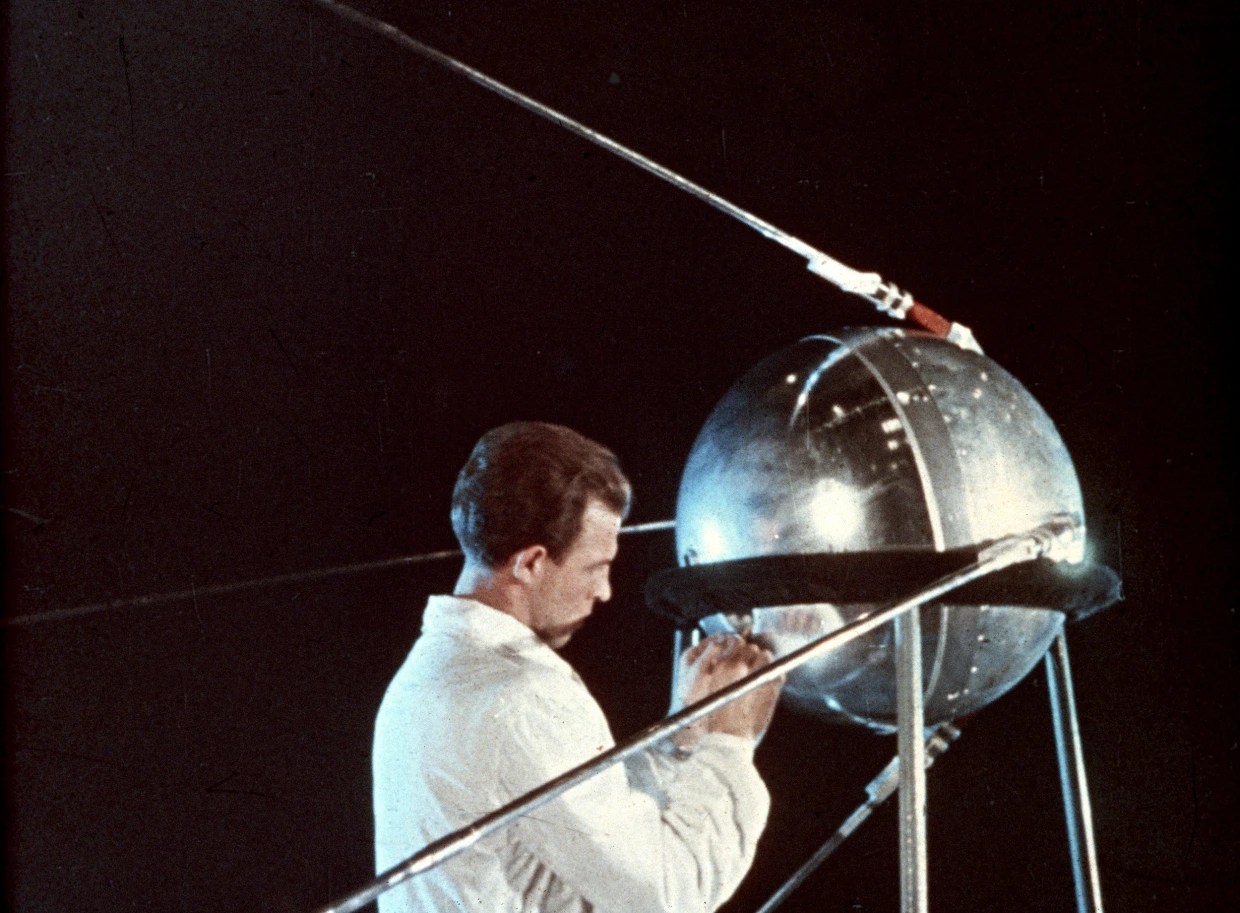
ASG Aerospace is marking the anniversary of the launch of Sputnik 1, the small Soviet satellite whose journey into orbit on 4 October 1957 opened a new era in engineering and exploration.
Sputnik 1 was modest by the standards of modern spacecraft. The polished metal sphere measured around two feet across, weighed 184lb and carried a radio transmitter whose distinctive signal could be detected as it circled the Earth every 98 minutes.
The launch demonstrated that an artificial object could be successfully placed into Earth orbit and accelerated an extraordinary period of technological development. Within four years, Yuri Gagarin had become the first person to orbit the Earth. By July 1969, less than 12 years after Sputnik, Neil Armstrong and Buzz Aldrin were walking on the Moon.
Almost seven decades later, spaceflight has developed into a global industry encompassing communications, navigation, Earth observation, scientific research, defence and an expanding commercial space economy.
For ASG Aerospace Group Marketing & Communications Director Mandy Ridyard, Sputnik remains an important reference point for an industry built around engineering ambition.
“Sputnik was a remarkably simple spacecraft compared with the technology being developed today, but what followed from that first successful orbit was extraordinary,” said Ridyard.
"Sputnik showed what engineering can achieve when it's given an ambitious objective. Sixty-nine years later, space is a major industrial market in its own right, and UK manufacturers are already an important part of it. The challenge now is to scale that up and make sure the UK supply chain wins its share of what comes next."
The decades following Sputnik saw spacecraft reach every planet in the Solar System, robotic vehicles land on Mars and samples returned to Earth from asteroids. Human spaceflight also developed from short individual missions into long-duration operations aboard space stations.
The International Space Station became one of the most ambitious examples of international engineering collaboration, with modules and systems developed by multiple countries assembled and operated together in orbit.
Alongside her role at ASG Aerospace, Mandy is also Chair of Space Hub Yorkshire, bringing together her experience of manufacturing, regional economic development and the emerging space economy.
“Space is increasingly relevant to companies whose heritage sits firmly within advanced manufacturing and aerospace,” she said. “The sector needs precision engineering, specialist materials, inspection, quality, electronics and a highly skilled supply chain. These are capabilities that already exist within UK industry.
“Yorkshire has a strong manufacturing base, universities with considerable research expertise and businesses capable of supporting demanding engineering programmes. Through Space Hub Yorkshire, we are working to connect those strengths and help companies understand where their capabilities can contribute.”
The comparison with 1957 is striking. Sputnik represented the beginning of an era dominated by government space programmes and competition between major powers. Today’s space industry includes established aerospace groups, specialist manufacturers, technology businesses, universities and a growing number of commercial operators.
That broadening industrial base is creating opportunities for companies whose expertise has been developed through aviation and other high-value engineering sectors.
For ASG Aerospace, the anniversary is also a reminder of the relationship between ambitious programmes and the manufacturing capability required to deliver them.
“Every major aerospace programme ultimately depends on people making things to demanding standards,” Ridyard added. “Space brings its own technical requirements, but there is a great deal of knowledge within the aerospace supply chain that can support its growth.
“Sputnik showed what can happen when engineering is given an ambitious objective. Sixty-nine years later, space is becoming an increasingly important industrial market in its own right, and there is a real opportunity for Yorkshire and the wider UK manufacturing sector to play a meaningful part in what comes next.”
Sputnik 1 transmitted for 22 days before its batteries were exhausted. Its legacy has lasted considerably longer. From the first artificial satellite to an increasingly commercial global space industry, the engineering journey it began continues to gather pace.
